

The world of theatrical wigs is a fascinating one, where artistry meets technical skill. These wigs play a crucial role in bringing characters to life on stage, transforming actors into everything from historical figures to fantastical creatures. But have you ever wondered how these intricate and realistic wigs are made? In this article, we delve into the professional craftsmanship behind theatrical wigs, exploring the materials used and the intricate process of creating them.
The Importance of Materials
The foundation of any high-quality theatrical wig lies in the materials used. Three primary materials are commonly employed: yak hair, goat hair, and human hair. Each has its own unique properties and applications.
Yak Hair: Known for its durability and texture, yak hair is often used to create wigs that require a rugged or textured appearance. It is particularly useful for characters who inhabit harsh environments or have a more rugged aesthetic.
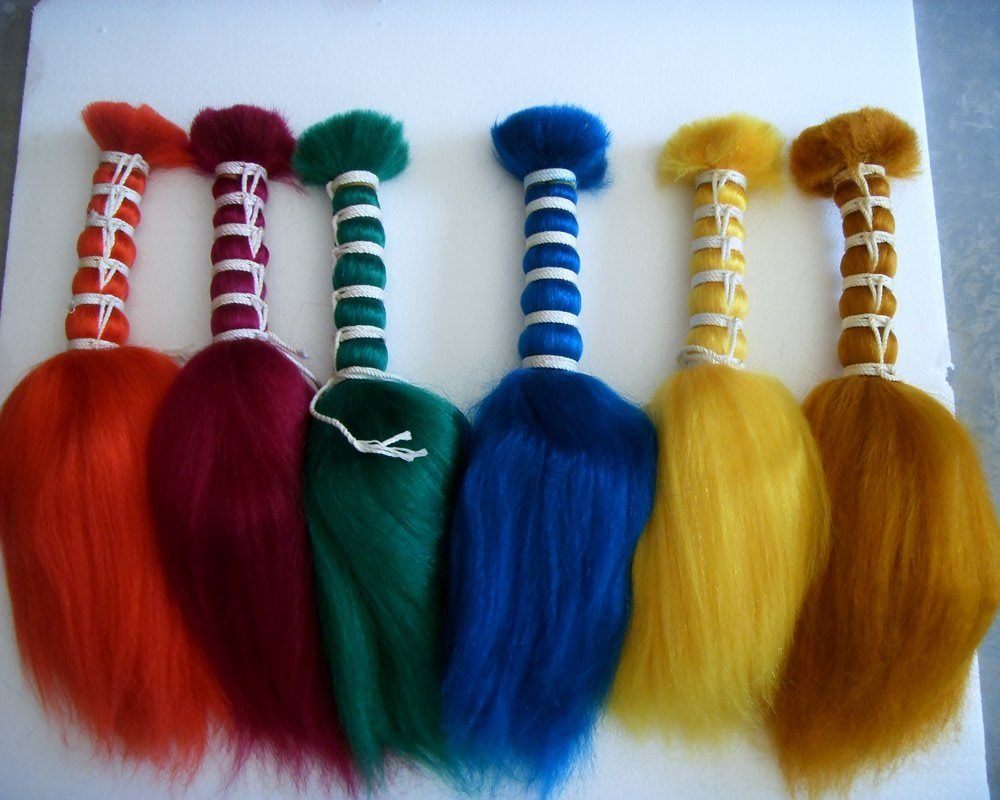
Goat Hair: This material is prized for its natural look and feel. It can be easily styled and dyed, making it versatile for a wide range of characters. Goat hair wigs are often used when a natural, everyday look is needed.
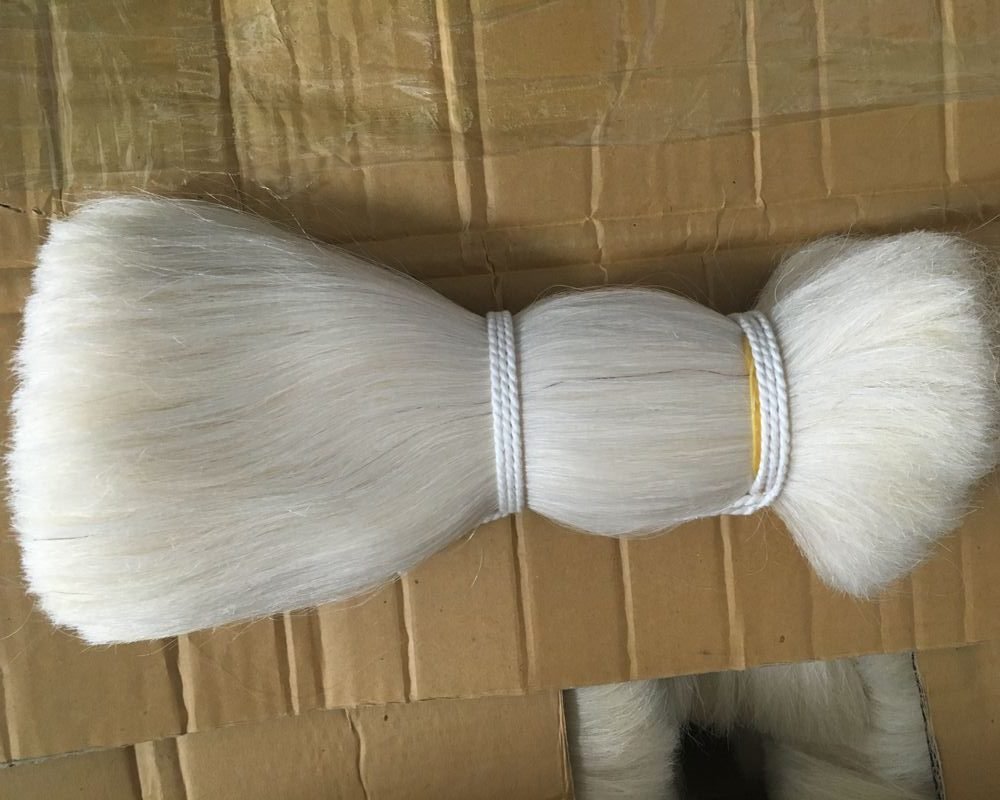
Human Hair: For the most realistic and high-end wigs, human hair is the material of choice. It can be styled, cut, and colored just like natural hair, providing unparalleled realism. Human hair wigs are often used for leading roles where close-up shots or detailed scrutiny are expected.
The Art of Wig Making
Creating a theatrical wig is a meticulous process that involves several key steps, from selecting the right materials to crafting the final look.
Step 1: Design and Planning
The journey begins with a thorough understanding of the character and the production’s requirements. Wig makers collaborate with directors, costume designers, and actors to determine the desired look. This involves considering the character’s age, gender, era, and personality.
Step 2: Material Selection
Once the design is finalized, the wig maker selects the appropriate hair type. The choice depends on the desired texture, color, and durability. For instance, a historical drama might require yak hair for its authenticity, while a modern play might use human hair for its realism.
Step 3: Base Preparation
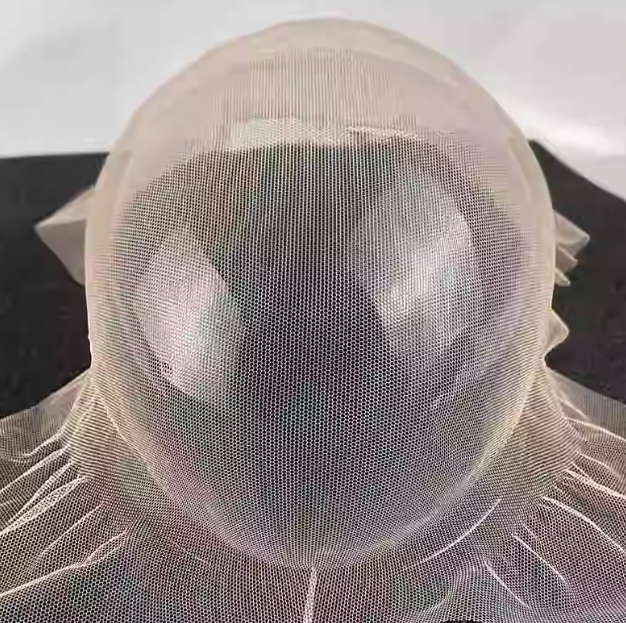
The next step is to prepare the base, which is the foundation of the wig. This involves creating a cap that fits the actor’s head perfectly. The cap can be made from various materials, including lace and mesh, and is tailored to ensure a comfortable and secure fit.
Step 4: Hair Attachment
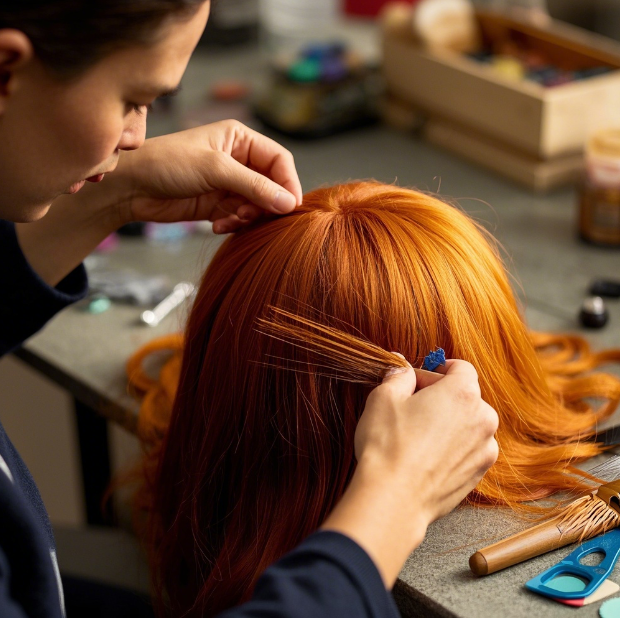
With the base ready, the wig maker begins the painstaking process of attaching the hair. This can be done using various techniques, such as hand-knotting or machine weaving. Hand-knotting is the most labor-intensive but offers the highest level of realism, as each hair is individually tied to the base. Machine weaving, on the other hand, is faster but may not provide the same level of detail.
Step 5: Styling and Coloring
Once the hair is attached, the wig is styled and colored to match the character’s specifications. This involves cutting, curling, and dyeing the hair to achieve the desired look. The wig maker must have a keen eye for detail and a deep understanding of hair styling techniques to ensure the final product looks natural and authentic.
Step 6: Quality Control
The final step is quality control. The wig is carefully inspected for any imperfections, and adjustments are made as needed. This ensures that the wig not only looks perfect but also fits comfortably and securely on the actor’s head.
Insights from Professionals
To gain deeper insights into the world of theatrical wig making, we spoke with experienced wig makers who shared their valuable tips and experiences. One key piece of advice is to always prioritize quality over speed. “Taking the time to ensure each hair is perfectly placed and each knot is secure can make all the difference in the final look,” one wig maker emphasized.
Another important tip is to stay updated with the latest trends and techniques in the industry. “The world of wig making is constantly evolving, and staying informed helps us create even more realistic and stunning wigs,” another professional shared.
Conclusion
The creation of theatrical wigs is a blend of art and craftsmanship, requiring both technical skill and creative vision. From selecting the right materials to meticulously crafting each hair, the process is a testament to the dedication and expertise of wig makers. The next time you watch a play or a movie, take a moment to appreciate the intricate details of the characters’ wigs. Behind each one lies a world of dedication and artistry.
